


.webp)

We engineer in service of the owner’s mission and long-term success.
We do what we say we will do — reliably, responsively, and professionally.
We hold ourselves to the highest technical standard and minimize change orders, clashes, and conflicts.
We solve problems holistically and go to the root. We are never superficial.
Sustainability has a broader meaning to us: yes, we should have as clean a planet as possible and yes, hospitals and universities should make financially sound decisions in getting there.
We believe decarbonization must also be operationally and financially sound.
Lower lifecycle infrastructure costs
Reduced downtime and operational disruption
Fewer change orders through coordinated design
Systems that perform as promised
MEP systems are the backbone of every building on campus. We design MEP systems that are not just code-compliant, but performance-optimized from day one. We engineer HVAC, electrical distribution, plumbing, controls, and utility infrastructure using BIM (Revit-based coordination), ASHRAE standards, and real operational data from active healthcare and university environments.
Every engineering decision is connected to energy costs, deferred maintenance exposure, capital planning, operational resiliency, and reducing total cost of ownership.
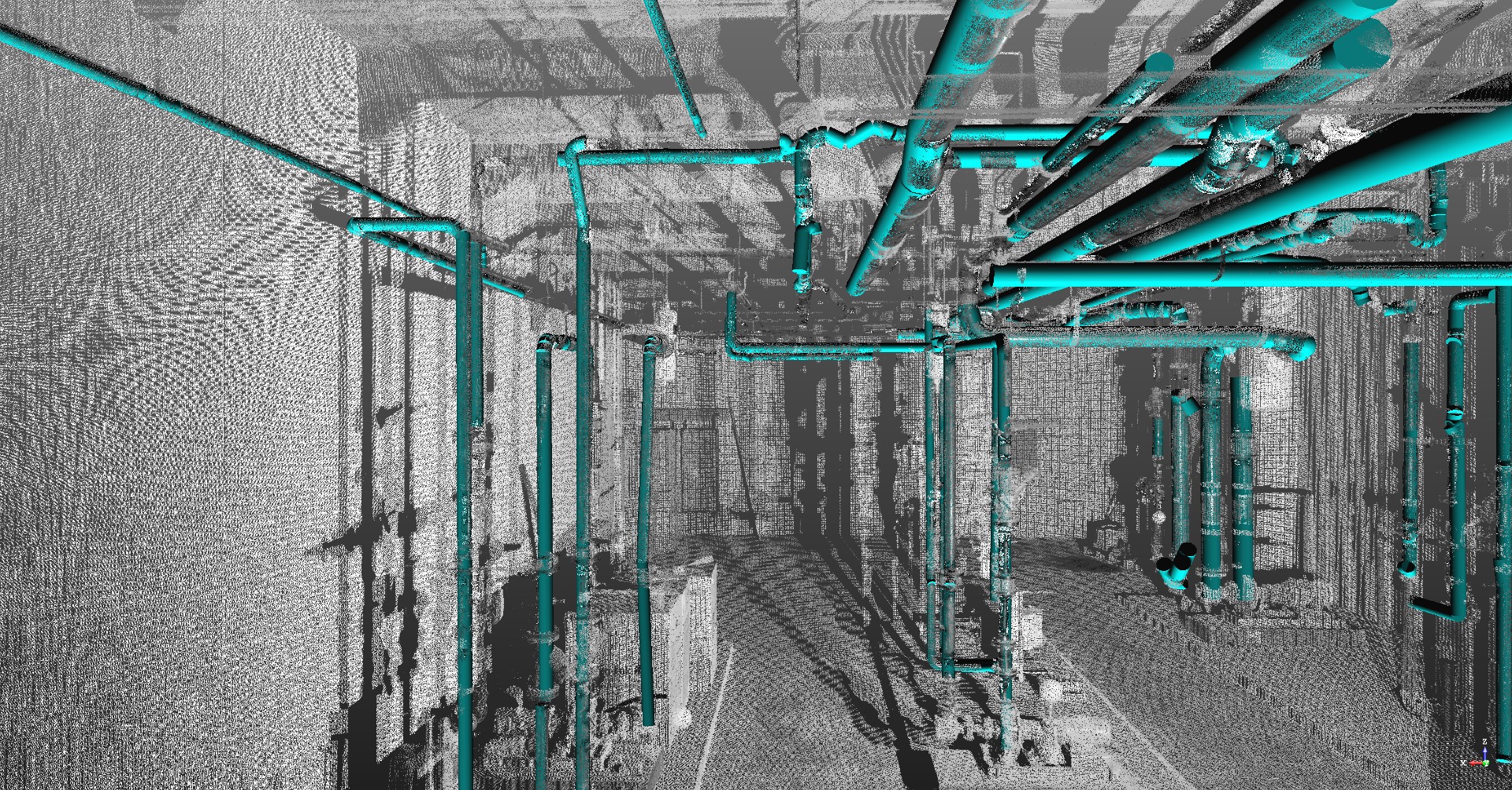
Infrastructure decisions made during design often shape operational performance for the next 20–30 years. Small engineering inefficiencies today can compound into millions of unnecessary costs over the lifecycle of a campus.
Oakwell approaches MEP engineering as an integrated campus performance strategy — not as a disconnected design discipline.
Our engineers work directly with facilities teams, operational leadership, finance stakeholders, utilities, and project delivery teams to understand how infrastructure decisions affect staffing, maintenance, resiliency, utility consumption, occupant comfort, compliance requirements, and future campus growth.
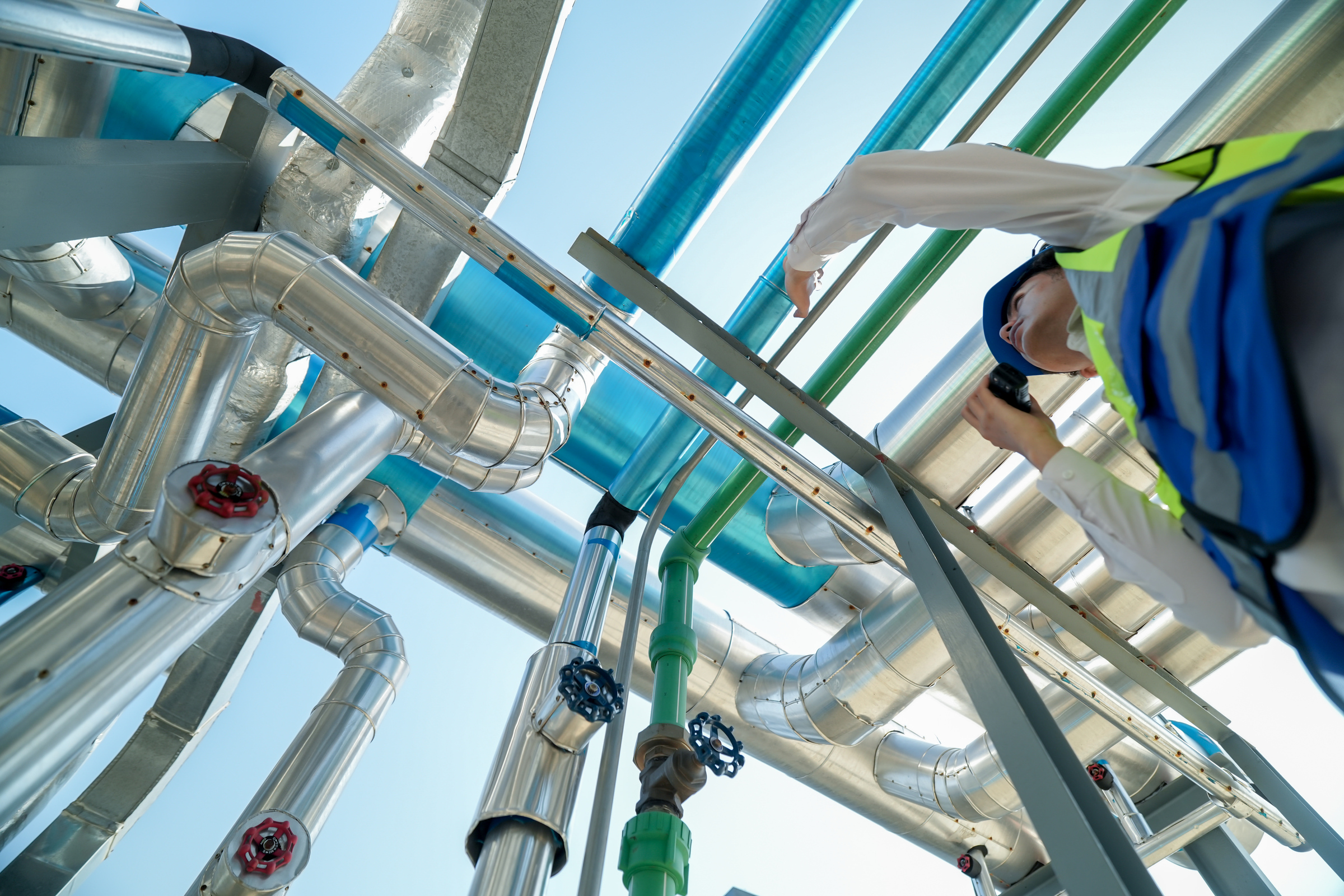
Using BIM-driven coordination in Revit, ASHRAE-aligned standards, lifecycle analysis, augmented engineering and operational benchmarking, our engineers design systems that are technically rigorous, financially intelligent, and operationally practical.
As the owner’s engineer, we design financially intelligent infrastructure strategies. Every project is evaluated through the lens of constructability, capital efficiency, lifecycle savings, financing opportunities, utility incentives, and long-term operational value.

At Oakwell, MEP engineering is about shaping the long-term financial and operational trajectory of your institution. Every decision we make is grounded in how your campus actually operates, how your balance sheet performs, and how your infrastructure must evolve over time.
We design MEP systems that work from day one — and continue to deliver measurable value decades later. By aligning engineering rigor with financial strategy, operational reality, and lifecycle performance, we help owners avoid unnecessary costs, reduce risk, and create infrastructure that supports—not burdens—their mission.
Because the best engineering isn’t just technically sound — it creates lasting institutional value.


Reduced utility and operational costs
Improved system reliability and occupant comfort
Extended equipment lifecycle performance
Recurring operational savings through system optimization
Buildings rarely operate exactly as designed. Over time, controls drift, sequences break down, systems become inefficient, and operational workarounds slowly increase energy consumption and maintenance burden.
Oakwell evaluates how campus infrastructure actually performs in the field — not just how it was intended to perform on paper. Our assessment and commissioning services analyze HVAC systems, controls, ventilation, utility infrastructure, building automation systems, and energy-consuming equipment using operational data, site investigations, trend analysis, and system-level diagnostics.
Every assessment is connected to operational performance, occupant comfort, deferred maintenance exposure, energy consumption, and reducing total cost of ownership.
Our goal is to identify inefficiencies before they become operational or financial liabilities.
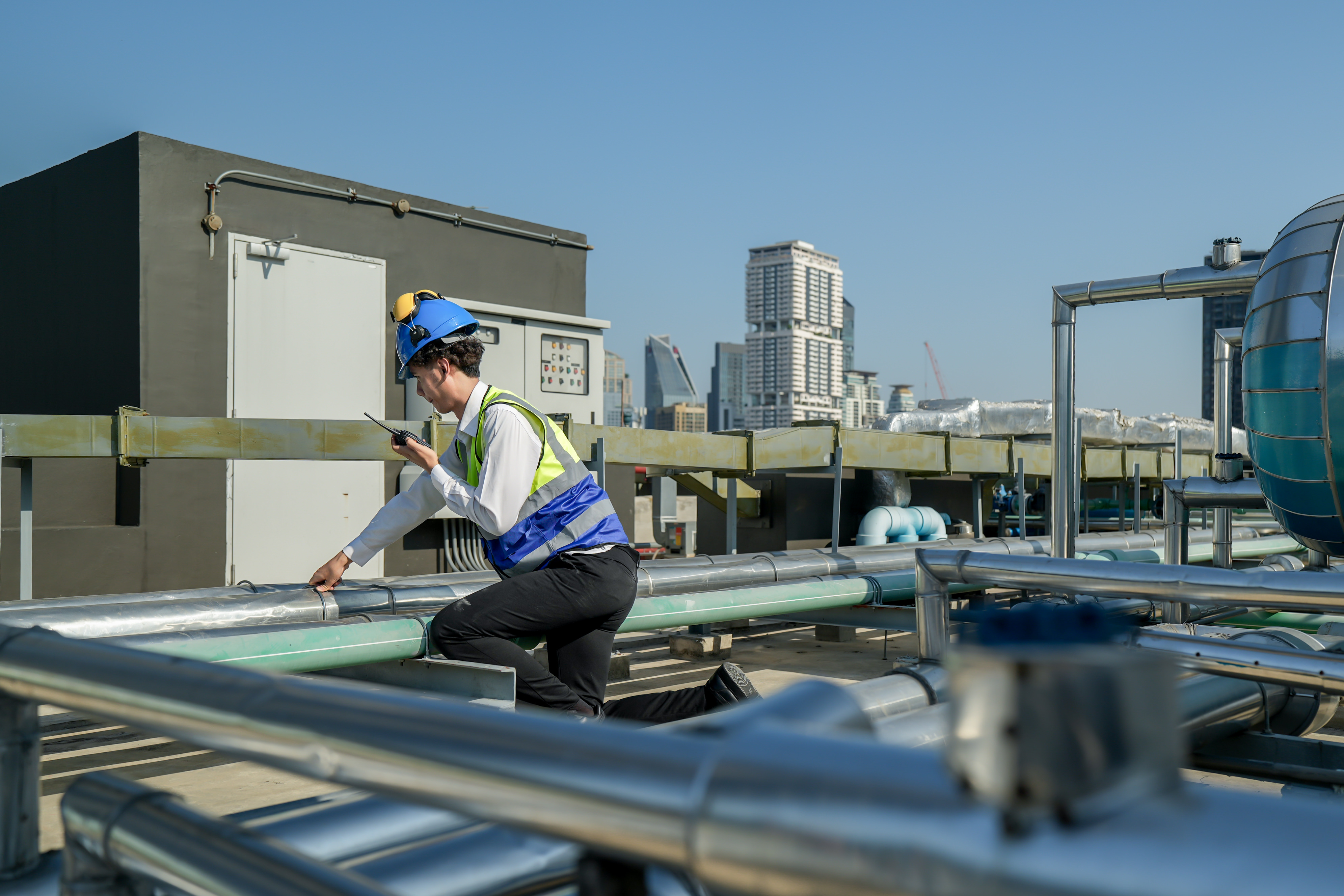
Oakwell approaches assessment and commissioning as an operational performance strategy — not a compliance checkbox.
Our engineers work directly with facilities teams, operations staff, controls contractors, and maintenance personnel to understand how systems are performing under real campus conditions.
Using operational trend data, Building Automation System (BAS) Analytics, field diagnostics, and performance verification methodologies, and augmented engineering, our engineers identify inefficiencies impacting energy use, occupant comfort, maintenance burden, and long-term system reliability.
As the owner’s engineer, we evaluate every recommendation through the lens of operational practicality, lifecycle savings, deferred maintenance reduction, and long-term infrastructure resiliency.
%20(1).jpeg)
At Oakwell, assessment and commissioning is how owners gain confidence that their infrastructure is performing the way it should — today and over time. We move beyond design intent to validate real-world performance, uncover hidden inefficiencies, and correct issues before they become long-term financial burdens.
By aligning operational data, field diagnostics, and engineering rigor, we help owners eliminate waste, extend equipment life, and restore systems to optimal performance without unnecessary capital spend.
Because true performance goes beyond what is designed — it’s what is delivered, measured, and sustained.
Over 25% lower annual utility costs and higher savings over time
Smarter capital planning decisions
Improved infrastructure efficiency and resiliency
Energy savings that strengthen operating margins
Infrastructure decisions made during discovery, planning, and design can shape operational costs and serviceability for decades. Oakwell uses energy modeling to help owners understand how buildings and infrastructure systems will perform before projects move into construction.
Our engineers model HVACR systems, utility loads, ventilation strategies, controls sequences, building envelope performance, central utility plants, and campus energy consumption using operational assumptions grounded in real healthcare and university environments.
Every model is built keeping in mind lifecycle operating costs, decarbonization goals, utility consumption and rebates, occupancy trends, resiliency planning, and long-term capital strategy, and relevant federal grants.
Our goal is to help owners make financially intelligent infrastructure decisions before costs become locked into the campus.

Oakwell approaches energy modeling as a strategic planning tool that integrates continues improvement — not just a compliance exercise.
Our engineers work with your facilities teams, finance stakeholders, real estate and tax optimization experts, sustainability and project delivery teams to evaluate how infrastructure decisions affect long-term operational performance and capital efficiency.

Using operational benchmarking, simulation software, and real campus usage profiles, we evaluate multiple infrastructure pathways to identify the most operationally and financially effective solution.
As an owner’s engineer, we use energy modeling to reduce balance sheet risk and uncertainty, improve investment decisions, and identify opportunities for long-term operational savings.
The result is clear: smarter capital deployment, lower long-term utility costs, and infrastructure that performs efficiently over time.
Because the best infrastructure decisions are not assumed — they are backed by data, validated by performance, and aligned with your balance sheet.

Prioritized infrastructure investment roadmap
Directly reduced balance sheet risk
Reduced deferred maintenance exposure
Long-term savings that directly support future capital investments
Oakwell develops investment-grade energy conservation studies that help health systems and universities identify, evaluate, and prioritize infrastructure improvement opportunities across campus portfolios.
Our engineers assess mechanical, electrical, plumbing, controls, utility, real estate and energy infrastructure systems to identify operational inefficiencies, deferred maintenance risks, energy reduction opportunities, and capital optimization pathways.
Every study connects engineering analysis with financial outcomes, operational realities, utility incentives, and long-term infrastructure strategy.
Our goal is to provide owners with a clear, data-driven implementable roadmap for reducing operating costs and modernizing infrastructure responsibly.
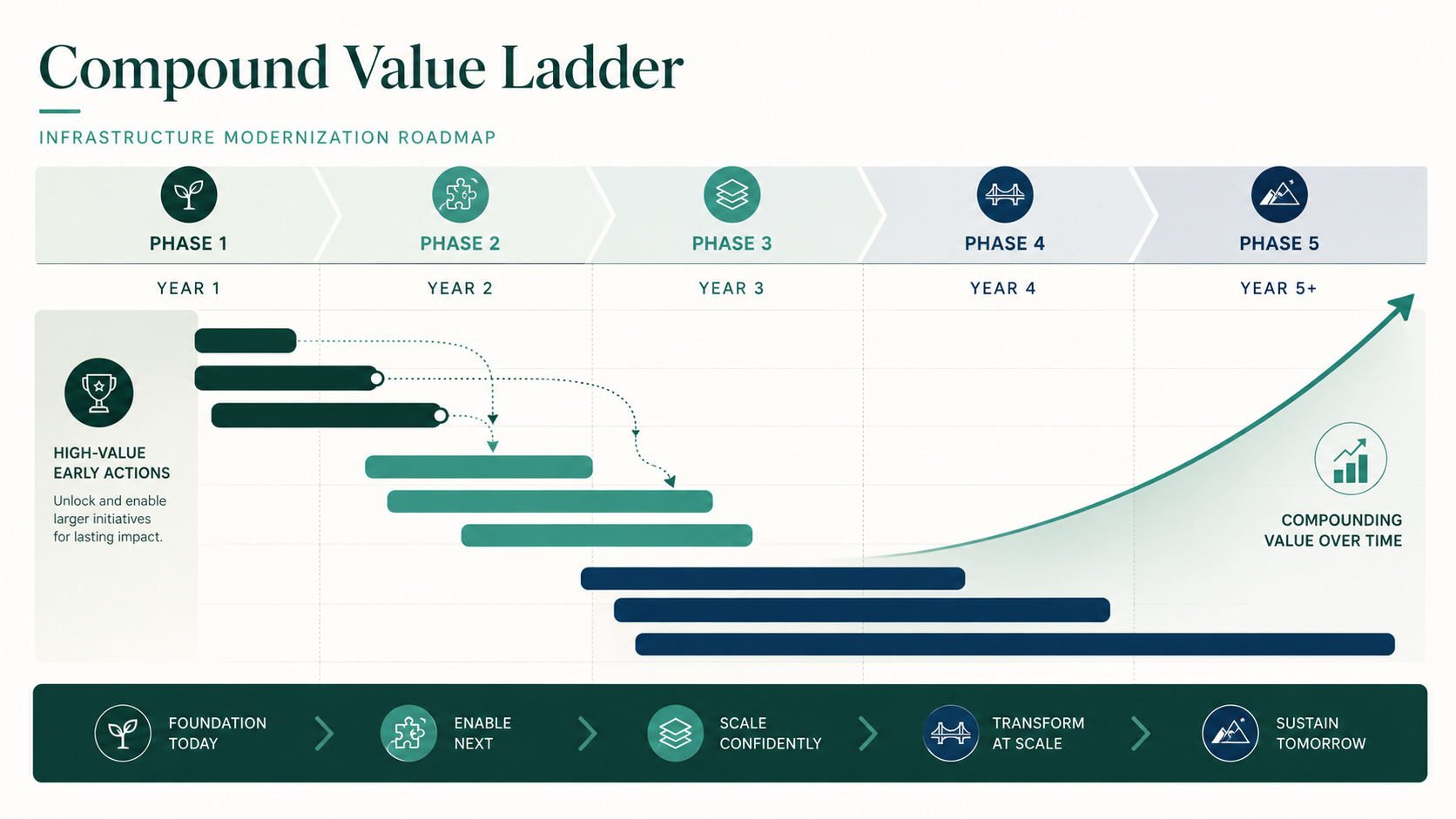
Oakwell approaches investment-grade studies as operational and financial planning tools — not generic engineering reports.
Our engineers work closely with facilities managers, operational leadership, finance and sustainability stakeholders to understand infrastructure conditions, operational constraints, and institutional priorities.
Using engineering analysis, utility benchmarking, field assessments, and financial modeling, our studies help owners prioritize projects that create measurable operational and financial value, with stakeholder buy-in.
As the owner’s engineer, we align every recommendation with constructability, operational practicality, financing pathways, and long-term capital efficiency.

Oakwell’s investment-grade studies turn infrastructure challenges into clear, executable capital strategies. We quantify savings, prioritize the right projects, and align engineering with financial outcomes to reduce risk and unlock long-term value.
Because the right roadmap doesn’t just guide decisions — it improves them.

Greater visibility into long-term project value
Stronger capital planning and prioritization
Reduced financial and operational risk
Infrastructure investments backed by measurable ROI
Infrastructure projects should not be evaluated solely by upfront cost. Oakwell develops cash flow and ROI models that help owners understand the full financial impact of infrastructure investments over time.
Our team models operating savings, utility escalation, maintenance burden, capital replacement timing, financing structures, incentive opportunities, and lifecycle performance to help institutions make more informed decisions.
Every analysis is tied to operational realities, strengthening capital strategy, borrowing capacity, and long-term financial resiliency.
Our goal is to help owners understand not just project cost — but project value.
.jpg)
Oakwell approaches ROI modeling as an integrated infrastructure and financial planning exercise.
Our engineers and financial teams work together to evaluate how infrastructure investments affect operational costs, maintenance requirements, utility spend, financing opportunities, and long-term campus performance.

Using engineering data, utility trends, operational benchmarking, and financial modeling methodologies, we help owners evaluate projects based on long-term institutional value.
As the owner’s partner, we structure analyses that support stronger investment decisions, reduced financial risk, and more strategic capital deployment.
Oakwell’s financial modeling connects infrastructure decisions to real long-term value. We quantify lifecycle costs, operational savings, and financing impacts so owners can see the full financial picture—not just upfront cost.
By aligning engineering data with capital strategy, we reduce uncertainty, strengthen investment decisions, and improve financial resiliency.
Because the best infrastructure investments don’t just cost less — they perform better over time.
Reduced upfront capital burden
Improved infrastructure project economics
Faster payback on infrastructure investments
Greater reusable savings over time
Infrastructure projects often qualify for significant utility incentives, rebates, grants, and energy funding opportunities — but many institutions lack the internal resources to identify, structure, and secure them effectively.
Oakwell evaluates incentive pathways alongside engineering and financial planning from the earliest stages of project development. We are experts in identifying opportunities tied to HVACR systems, controls optimization, electrification, decarbonization initiatives, utility modernization, and energy efficiency upgrades.
Every incentive strategy is integrated into broader infrastructure planning, lifecycle savings analysis, and financing strategy.
Our goal is to reduce the upfront cost burden while maximizing long-term institutional value.

Oakwell approaches incentive analysis as part of a broader infrastructure and capital strategy — not as an afterthought. Our engineers, financial experts, and project managers work together to identify opportunities that align with infrastructure modernization, operational savings, and long-term campus goals.

Using utility program analysis, engineering calculations, operational benchmarking, augmented engineering, and financial modeling, we maximize owners' available funding opportunities while improving project feasibility.
As the owner’s engineer, we continuously evaluate how incentives, rebates, and financing pathways can reduce capital strain and improve long-term project economics.
Oakwell ensures you capture incentive dollars that are too often missed or left on the table. We identify and secure funding early to reduce upfront capital and materially improve project returns.
By integrating incentives directly into engineering and financial strategy, we accelerate timelines and strengthen overall project viability.
Infrastructure funding opportunities should not be left on the table.
