

At Oakwell, our capital solutions are guided by a set of core values that shape how we structure every agreement, infrastructure investment, and long-term partnership.
We believe owners deserve complete visibility into how infrastructure investments are structured, delivered, and monetized.
We believe no two institutions should be forced into the same financing structure.
We believe infrastructure financing should expand optionality, not restrict it.
We structure our capital solutions around the institution’s mission — not short-term transactional gain.
We focus on reducing the total cost of ownership.
Our success hinges on the savings and efficiency we create for the owner.
Recurring operational savings that strengthen the mission
Reduced risk and burden of managing campus energy infrastructure
Greater operational continuity for patient care, research, and education
Modernized infrastructure without upfront capital deployment
Oakwell provides tax-exempt upfront capital for infrastructure modernization, funded through guaranteed operational savings and delivered through Transparent Project Delivery.
The entire success of this model hinges on the savings we deliver for the owner.
Energy as a Service (EaaS) means you get modernized, high-performance infrastructure — HVAC, lighting, power, controls — with no upfront capital outlay. Oakwell finances, installs, and manages the system. You pay from guaranteed savings. You maintain ownership of the asset.
Transparent Project Delivery (TPD) means every dollar is visible. No hidden markups, no buried contingencies, no misaligned incentives between designer, contractor, and the owner. Open-book economics throughout the entire partnership.
Together, EaaS + TPD eliminate the two biggest reasons infrastructure modernization stalls: capital constraints and trust deficits.
We fix that. We structure Energy-as-a-Service arrangements that preserve the owner’s freedom, flexibility and future optionality.
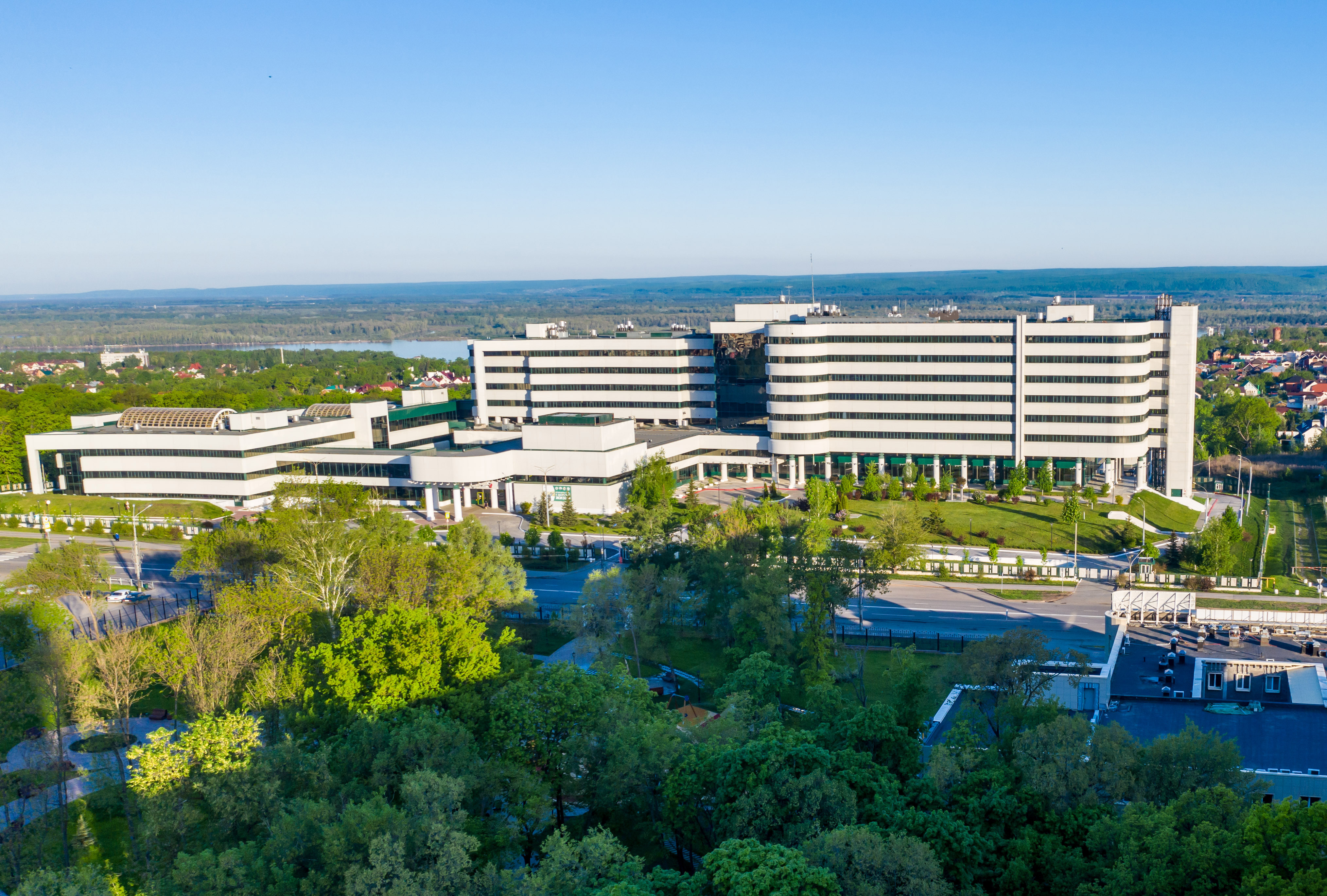
Because of the way we’re built, Oakwell has the unique vantage point to help you maximize cost savings and unlock benefits across the entire campus infrastructure from design to ongoing maintenance. We manage all core capabilities internally – without excessive reliance on third party providers.
Your EaaS structure should adapt to your institution — not the other way around.


.jpg)
Phased savings realization — operational cost reductions begin early in the partnership, not at project close.
Improved cash flow — infrastructure modernization that pays for itself, freeing capital for mission-critical priorities.
Reduced delivery risk — integrated Transparent Project Delivery eliminates misaligned incentives between design, construction, and operations.
Recurring savings generation — efficiency compounds over time across the full campus portfolio.
Hospitals and universities own billions in real estate and infrastructure — too much of it has inefficient energy systems, deferred maintenance, and infrastructure near or past its useful life. Oakwell turns these hidden liabilities into assets. The savings we create with you fund better care and better education. At scale, by 2035, that means 1 million people accessing quality healthcare and 1 million students accessing college or university.
That's the mission. P3 is one of the most powerful tools to get there.
Many P3s are financing arrangements dressed up as partnerships. Oakwell builds them differently.
We integrate capital, engineering, project delivery, and operations into one aligned framework — structured around your institution's long-term success, not a lender's return schedule.
Debt, equity, or hybrid capital structures are available depending on your infrastructure condition, balance sheet, and strategic priorities.
The result: a partnership model built to preserve flexibility, reduce risk, and generate long-term institutional value.
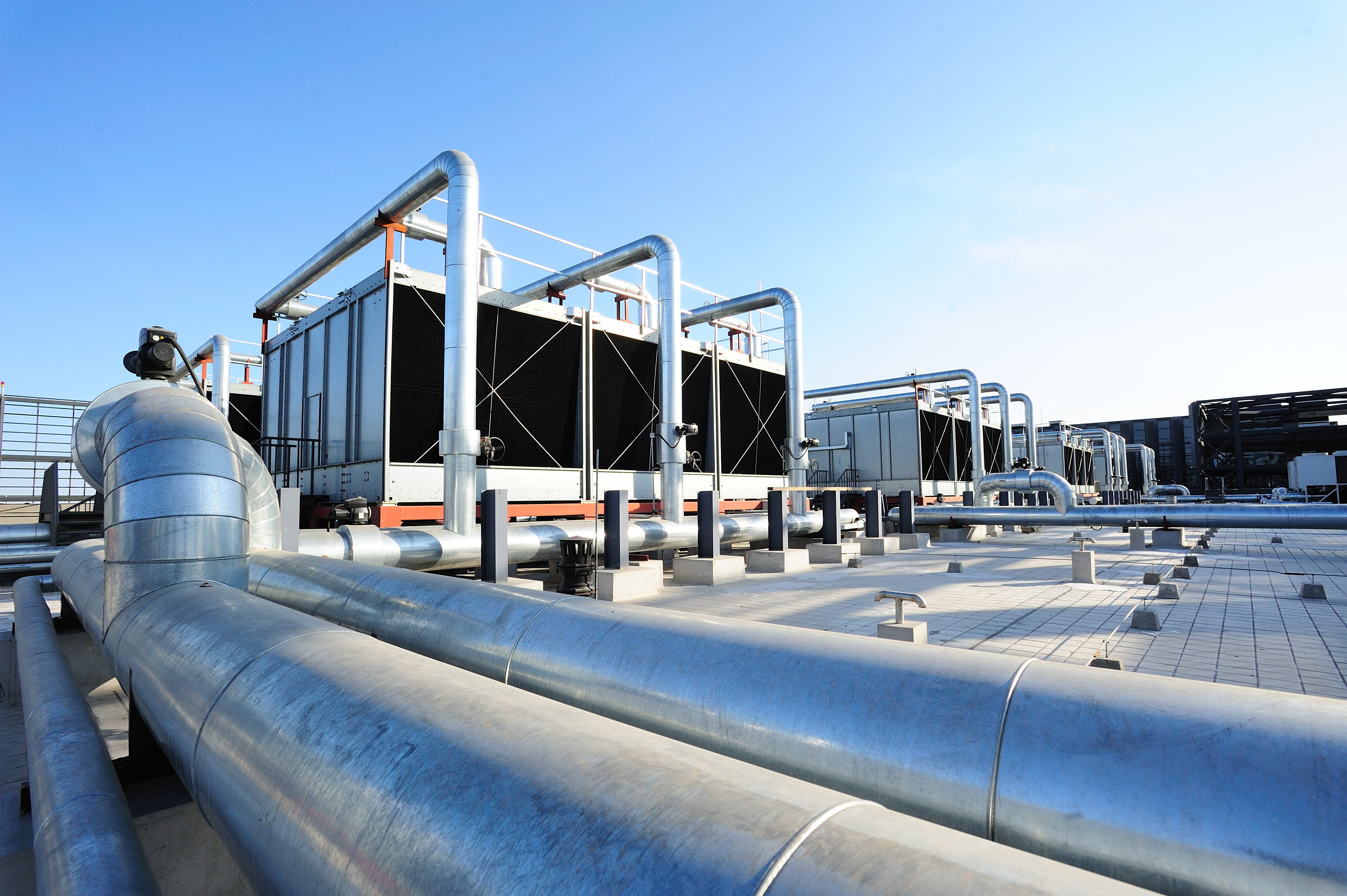
The average U.S. hospital spends $6–$8 per square foot annually on energy alone. The average university campus isn't far behind. Much of that cost is recoverable through modern infrastructure, smarter systems, and aligned delivery.
A well-structured P3 doesn't just bring financing — it converts operational waste into investable savings. That capital stays on at the health system or on campus, reinvested in the people and programs that define your mission.
For Oakwell, this isn't abstract. Every efficiency we engineer, every dollar of waste we eliminate, moves us closer to a concrete goal: expanding access to healthcare and higher education for two million people by 2035, through the savings we deliver.
Oakwell partners with health systems and higher education institutions because money saved at those institutions helps fulfill the unmet needs in their communities.
When a hospital cuts $3M in annual energy and operational costs — that's staff. That's capacity for the largest employers in those towns. That's care delivered to patients who couldn't otherwise afford it.

When a university reduces its infrastructure burden by $2M a year — that's scholarships. That's retention and a path to higher incomes for graduates. That's a first-generation student who graduates debt-free.
We don't just build efficient campuses. We build financial conditions that make access possible.
By 2035, the compounded impact of Oakwell's work across our partner institutions will help deliver on the most important metric we track: two million people whose lives are materially better because the institutions that serve them stopped overpaying for infrastructure.
Want to model what a P3 could unlock for your institution? Let's run the numbers.
Lower occupancy and facility burden
Reduced balance sheet strain
Greater flexibility across leased assets
Savings redirected toward mission-critical priorities
Most hospitals and universities treat real estate costs as fixed expenses. They’re not.
Charitable Foundation Leases help institutions reduce their real estate burden, unlock financial flexibility, and modernize infrastructure without tying up scarce capital.
For many institutions, leased real estate quietly drains millions of dollars every year through inefficient lease terms and structures, inflexible agreements, and hidden operational costs. Oakwell helps transform those obligations into long-term institutional advantages.
The result is greater flexibility, improved cash flow, reduced balance sheet strain, and recurring savings that can be redirected toward patient care, student success, research, staffing, and institutional growth.
.jpg)

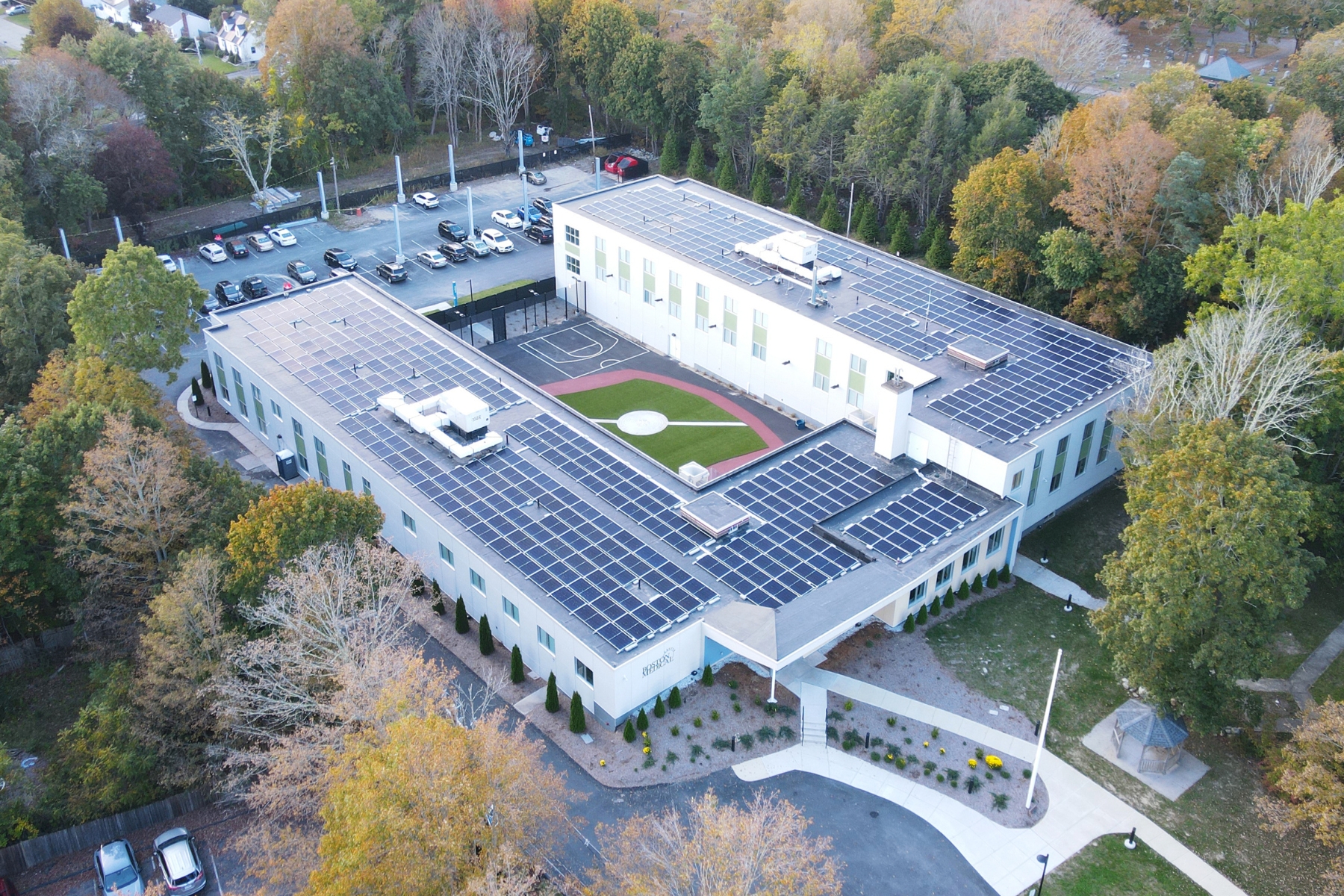
Boston Medical Center transformed a lease expiration at 960 Mass Ave into a long-term financial and operational advantage using one of the nation’s first healthcare Charitable Foundation Lease structures. The project helped BMC modernize and consolidate administrative operations while unlocking approximately $26 million in operating savings, improving balance sheet flexibility, and strengthening long-term borrowing capacity.
By restructuring occupancy costs through a mission-aligned financing model, BMC reduced infrastructure burden without sacrificing institutional flexibility — creating reusable savings that could be redirected toward patient care, sustainability initiatives, and community health programs.
Ready to unlock savings hidden inside your real estate portfolio?
Access to lower-cost and longer-duration capital pathways
Accelerated infrastructure modernization and deferred maintenance reduction
Improved project feasibility through smarter timing and sequencing
Reduced upfront capital strain and preserved institutional liquidity
Many hospitals and universities delay critical infrastructure projects because traditional capital planning cannot keep pace with aging facilities, deferred maintenance, energy costs, and operational demands.
Specialized financing pathways like C-PACE, FHA lending, and USDA guarantee programs can unlock lower-cost, longer-duration capital for infrastructure modernization — but only when projects are structured, timed, and sequenced correctly.
Oakwell helps institutions identify which financing pathways fit their infrastructure strategy, how projects should be phased, and how engineering, operational savings, incentives, and project delivery can work together to maximize long-term institutional value.
Commercial Property Assessed Clean Energy (C-PACE) is a financing tool that allows property owners to access capital for energy efficiency and renewable energy projects, repaid through property tax assessments up to 100% of project costs.
C-PACE can support infrastructure upgrades with repayment structures extending 20–30 years, making large-scale modernization projects significantly more feasible from a cash flow and operational savings perspective.
FHA insures the mortgages/loans lenders make for the construction and renovation of hospitals as well as for financing/refinancing of non-construction related debt. The FHA insurance/endorsement coves 99% of the loan issued and targets up to 90% of loan value for its endorsement.
These programs can provide access to long-term capital structures ranging from 5–25 years.
USDA guarantee programs can support rural facilities, utility infrastructure, energy systems, water infrastructure, and community-serving projects through federally backed loan guarantees and infrastructure financing pathways.
Certain USDA programs can support up to 80% of eligible project costs through loan guarantees and, in some cases, grants covering up to 50% of eligible project costs for qualifying rural and community-serving institutions. Financing structures can range from short-term to 30-year capital pathways depending on project type and eligibility.

Infrastructure financing opportunities are highly dependent on how projects are prioritized, phased, bundled, and timed. Many institutions miss significant financing advantages because engineering scope, operational savings strategy, deferred maintenance planning, incentives, and project delivery decisions are developed independently instead of as one coordinated infrastructure roadmap. The right sequencing can dramatically improve financing eligibility, project feasibility, operational savings realization, and long-term institutional value creation.
Our goal is to lower your total cost of ownership.
We do that by combining engineering, financing, project delivery, real estate, sustainability, and long-term infrastructure planning into one aligned, implementable roadmap. Our team works alongside healthcare systems and universities to identify which projects should happen first, which financing pathways create the strongest short term and long-term outcomes, and how infrastructure investments can be structured to preserve liquidity, improve borrowing capacity, and maximize recurring savings over time.
The right infrastructure strategy can unlock financing opportunities most institutions never realize are available.
Infrastructure modernization without major upfront capital deployment
Measurable operational savings – near term and long term
Reduced utility and infrastructure operating costs
Faster execution of high-ROI infrastructure projects
Many hospitals and universities have infrastructure projects that would clearly reduce costs — but never make it through the capital planning process.
Oakwell solves this by funding targeted infrastructure upgrades directly and aligning repayment around measurable operational savings generated by the project itself. If the infrastructure performs better, everyone wins.
The result is infrastructure modernization that pays for itself through reduced operational waste, lower utility consumption, and improved long-term system performance.

Oakwell identifies infrastructure projects with measurable operational savings potential and provides upfront capital to fund the renovations. Savings generated from improved infrastructure performance are then shared through a transparent long-term agreement aligned around operational outcomes and recurring value creation.
Because Oakwell integrates engineering, financing, project delivery, and long-term operations and maintenance, projects are designed not just to get built — but to continuously generate measurable savings over time.
Oakwell approaches shared savings agreements as long-term partnerships — not one-off transactions.
Our teams work directly with facilities leadership, operational stakeholders, finance teams, and executive leadership to identify where modernization, ongoing operations, maintenance and verification can create measurable operational savings, reduce waste, and strengthen long-term balance sheet performance.
The best infrastructure projects are the ones that fund themselves over time.
